
Climate Transparency For Conscious Consumers And Companies.
INDUSTRY
CLIENT
Climate-Tech
Reewild
HEADQUARTERS
London, UK
GROWTH STAGE
Venture-backed (Seed + Accelerator)
Scroll Down ↯




In A Nutshell
Reewild set out to solve a paradox at the heart of sustainable consumption: people want to make better choices, but the system makes those choices invisible. Food alone contributes nearly a third of global emissions, yet everyday decisions in supermarkets are driven by price, habit, and convenience—not impact.
Carbon exists as an abstract metric, disconnected from the moment a decision is made.
Reewild reframed this not as an awareness problem, but as a design problem at the intersection of data, behavior, and incentives.

Impact
50k
Tonnes Of CO2e Tracked
120k
Trees Planted
40k
Tonnes Of CO2e Removed
Design Strategy
Key Insights
Reewild was designed as a behavioral system, not a standalone product—intervening at the moment decisions are made to make climate impact immediate and actionable.
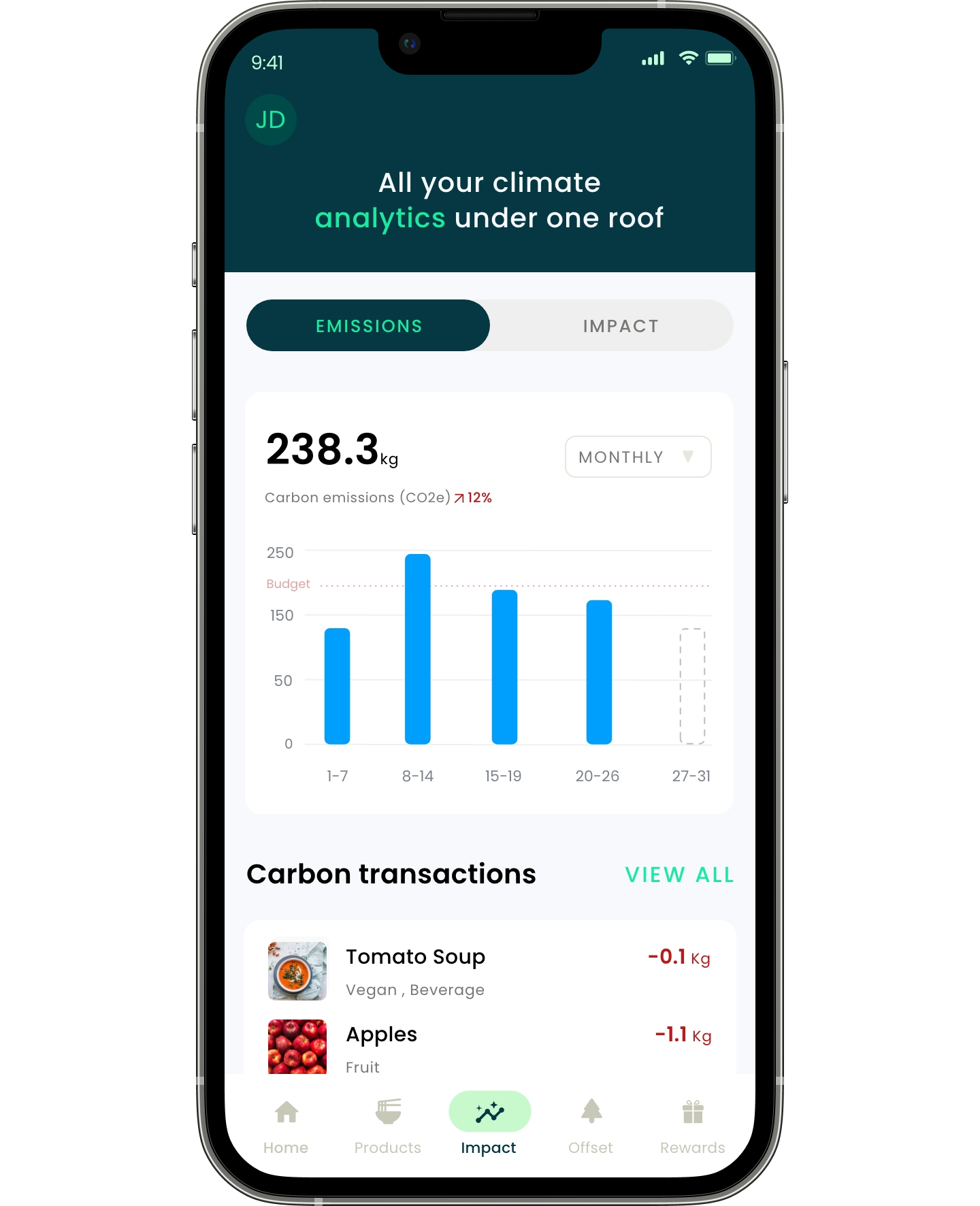
The strategy began by translating carbon into a familiar mental model. “Carbon calories” reframed emissions into something users could intuitively understand, reducing the gap between awareness and action.
From there, the focus shifted to resolving the tension between cost, convenience, and sustainability. Lower-impact choices were positioned to feel easier and more rewarding, turning climate-friendly behavior into a rational default rather than a conscious trade-off.
An incentive loop reinforced this shift. By tying sustainable actions to tangible rewards, the system created continuous feedback—moving users from one-off decisions to sustained habits.
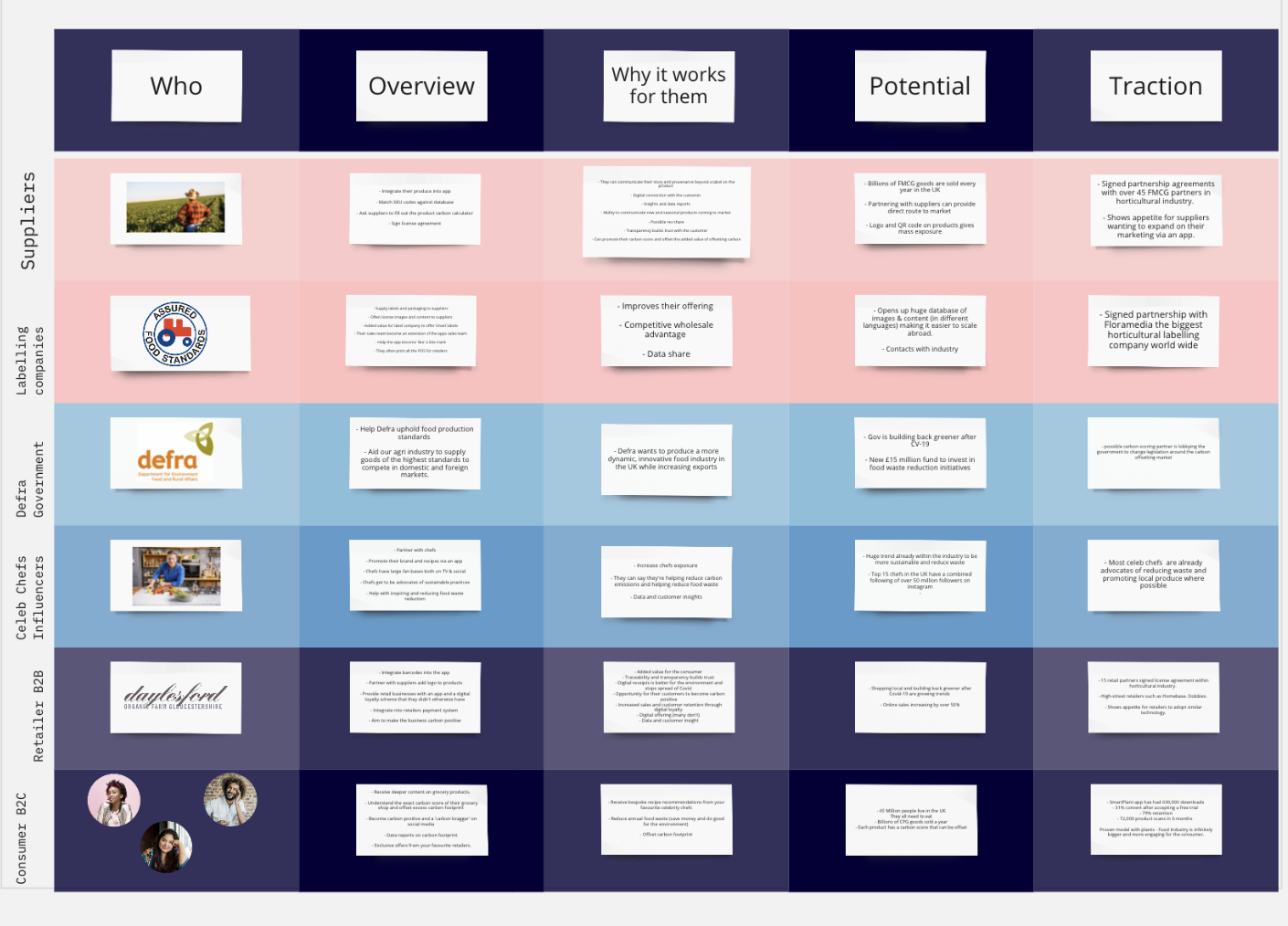
Built as an interface layer across retail, data, and transactions, Reewild embedded climate intelligence directly into everyday consumption flows. The result is a scalable system that integrates impact into decision-making, rather than presenting it as an afterthought.
From product to ecosystem
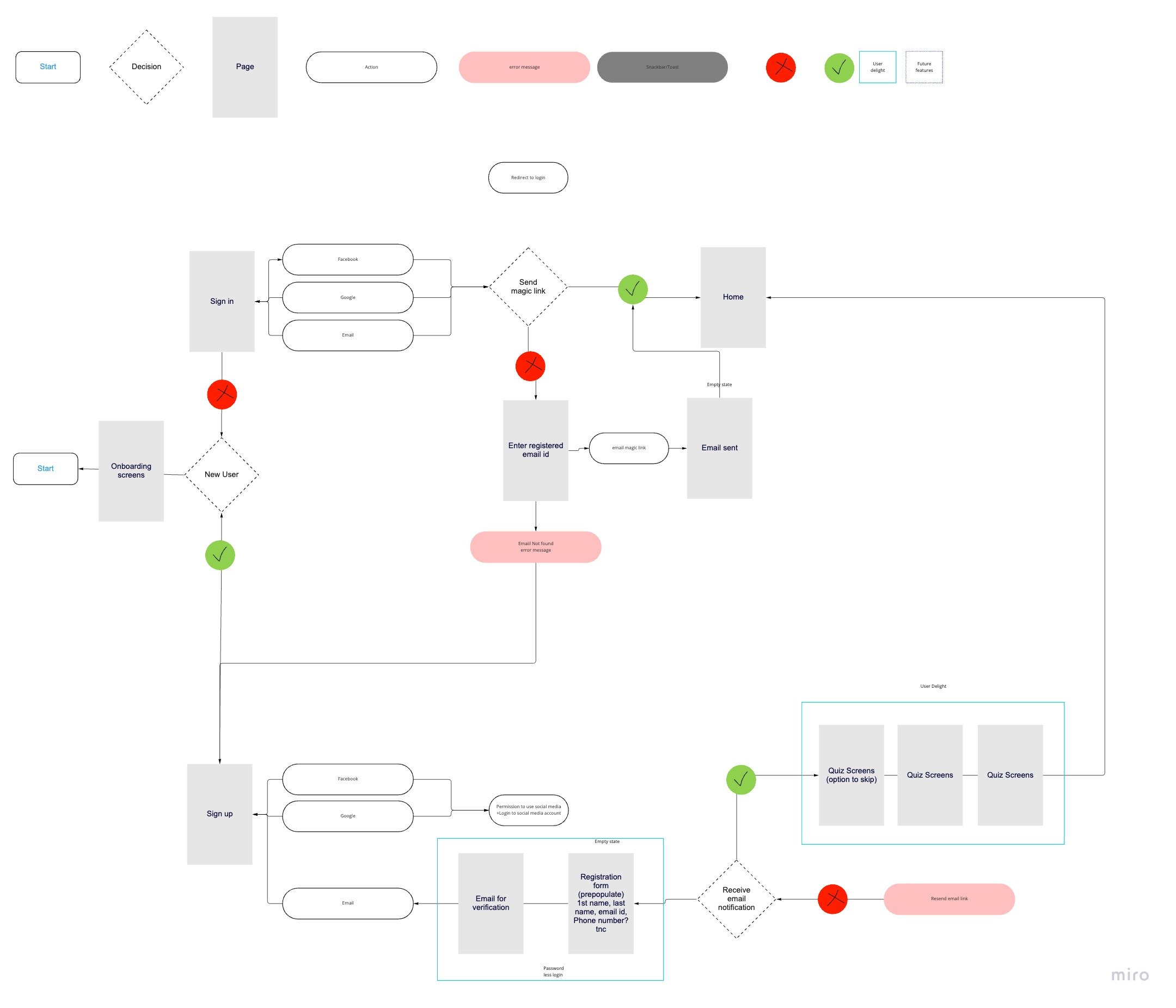
Traditional sustainability tools stop at information. Reewild extended into behavioral reinforcement.
The platform introduced an eco-reward layer, inspired by loyalty systems, where low-impact choices translated into tangible value—discounts, rewards, and real-world benefits.
At one end, users interacted with: carbon-rated recipes, product-level emissions, personalized tracking.
At the other, the platform connected to: retailer inventory, transaction data, sustainability datasets.
This moved Reewild from a consumer tool to a behavioral infrastructure embedded within commerce.



Marketing Website
Reewild demonstrated that when climate data is made legible, and incentives are aligned, behavior changes follow.
Users could reduce emissions significantly while also saving money annually—challenging the assumption that sustainability comes at a premium.
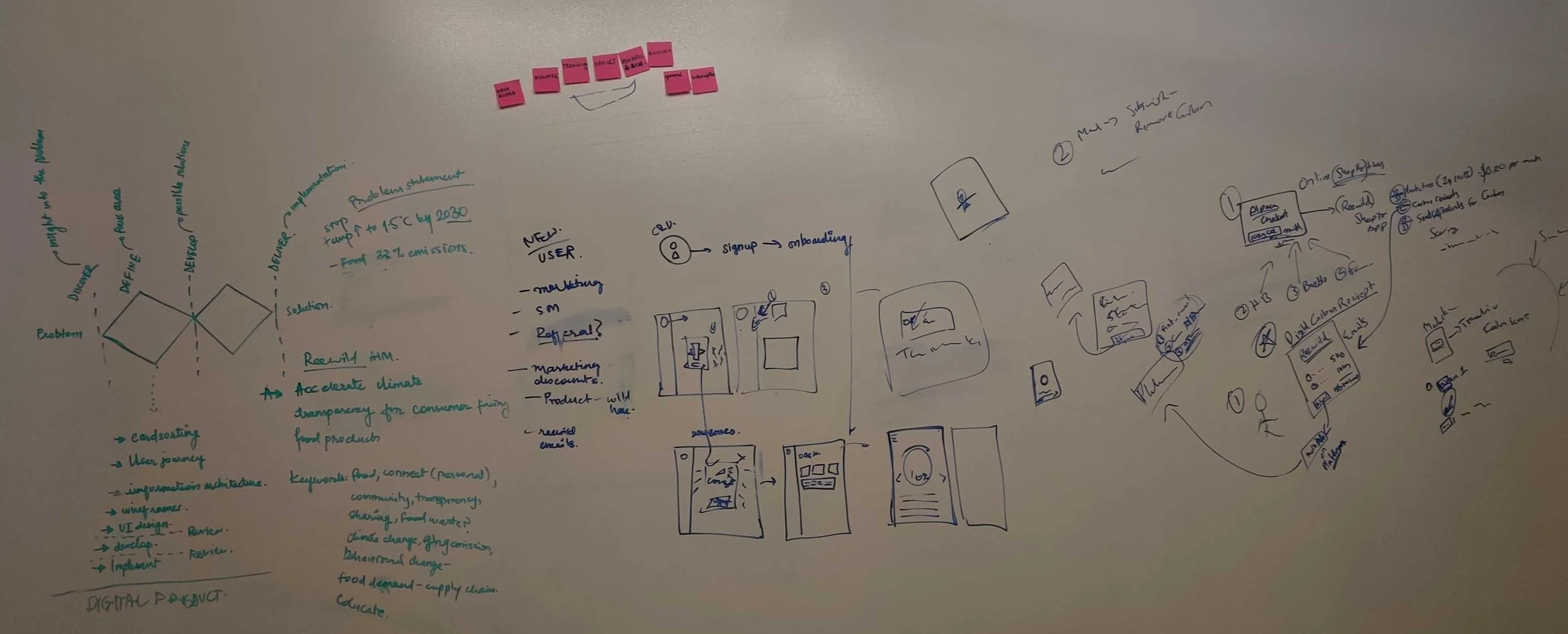
Through a series of iterations, I created a clean, bold website that showcases Reewild's current impact and connects with its ever-growing community.

Brand Identity
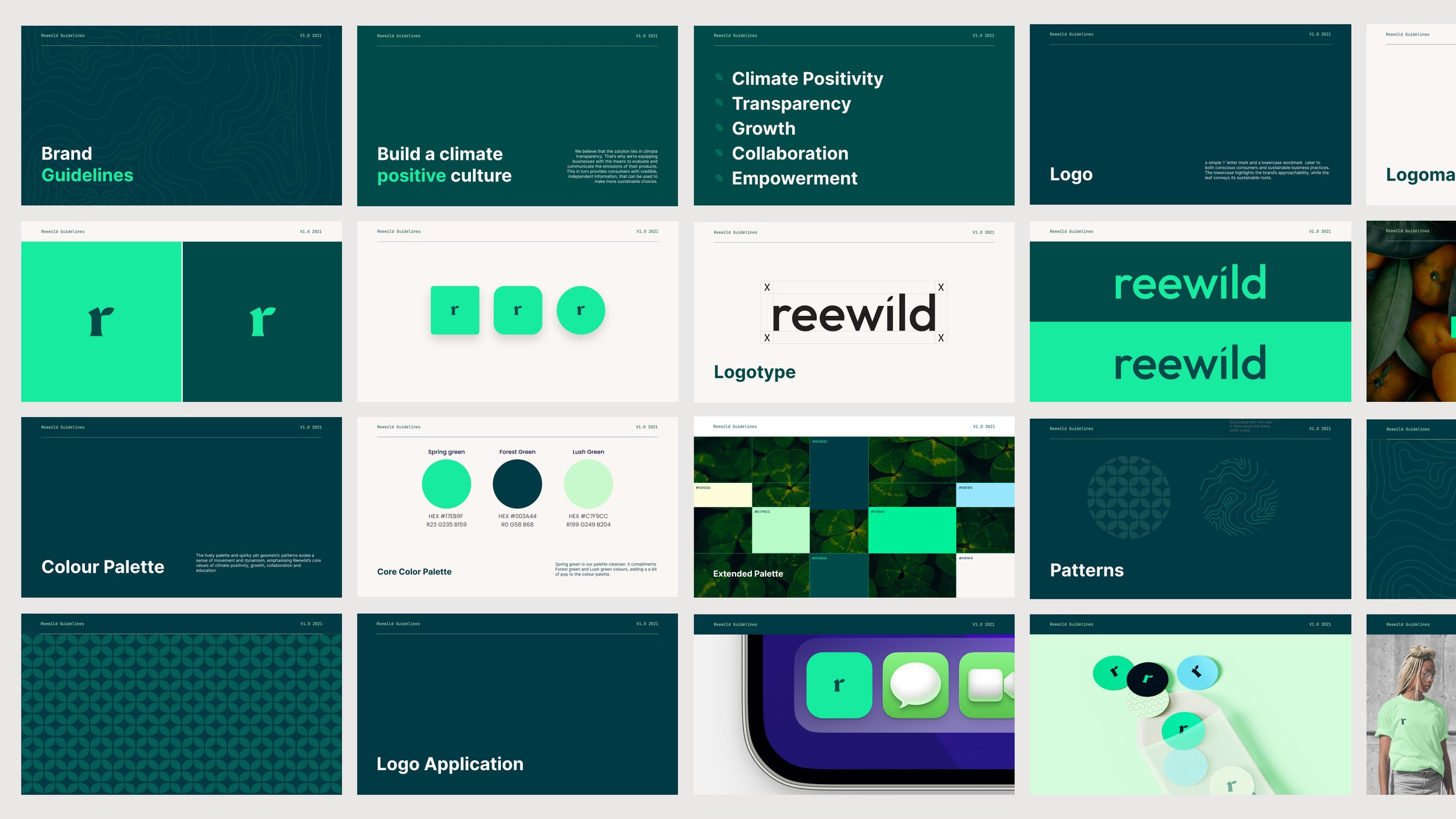
After many iterations, a simple 'r' letter mark and a lowercase wordmark were chosen to cater to conscious consumers and sustainable business practices. The lowercase highlights the brand's approachability, while the leaf conveys its sustainable roots.
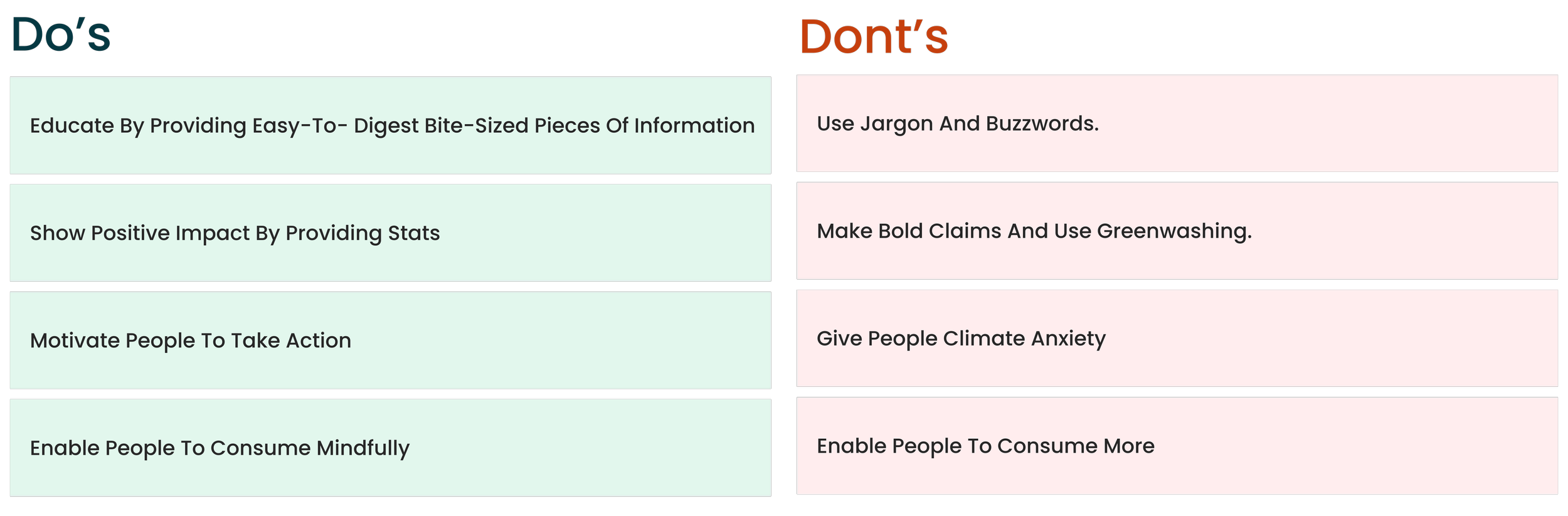
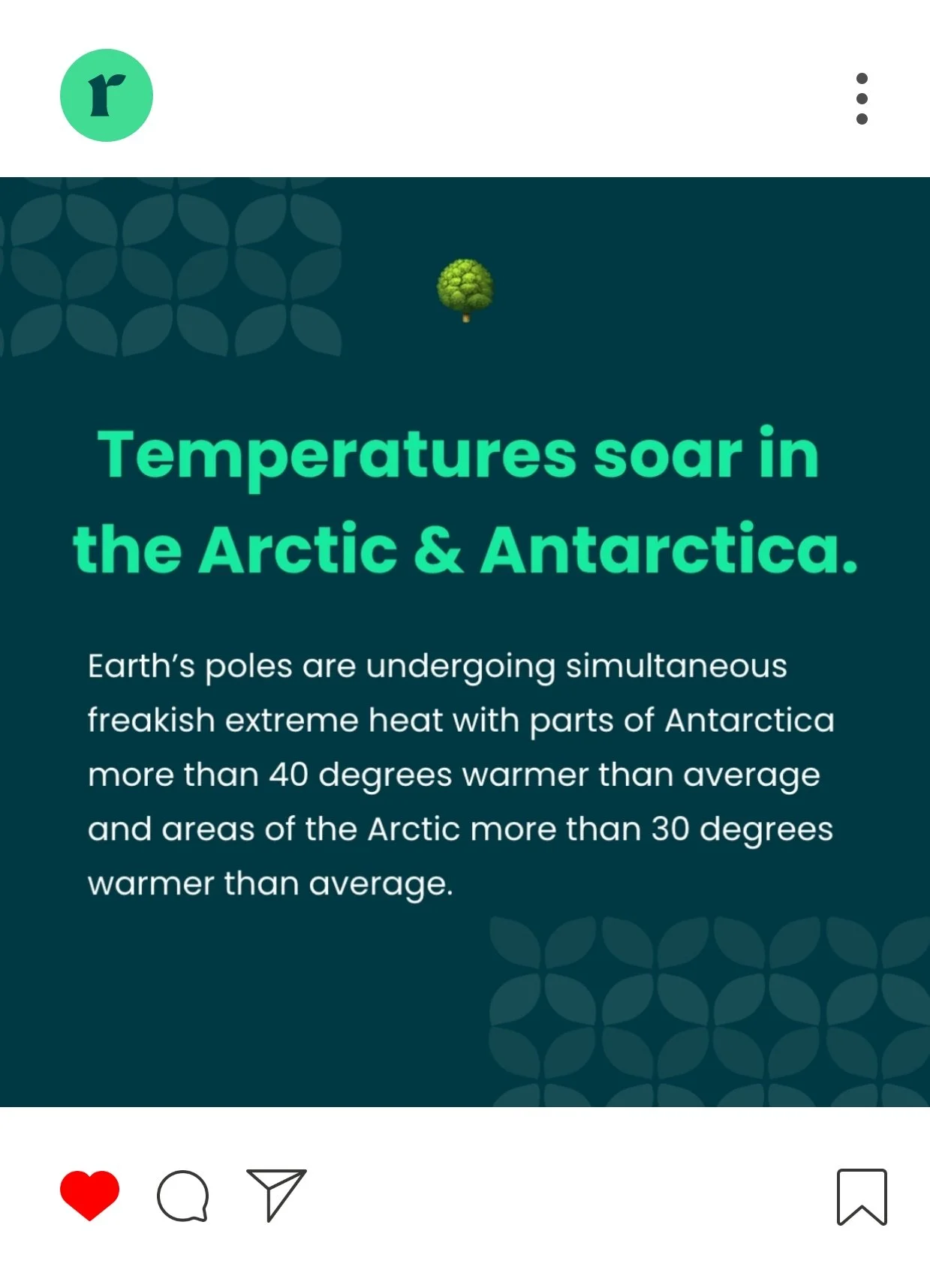
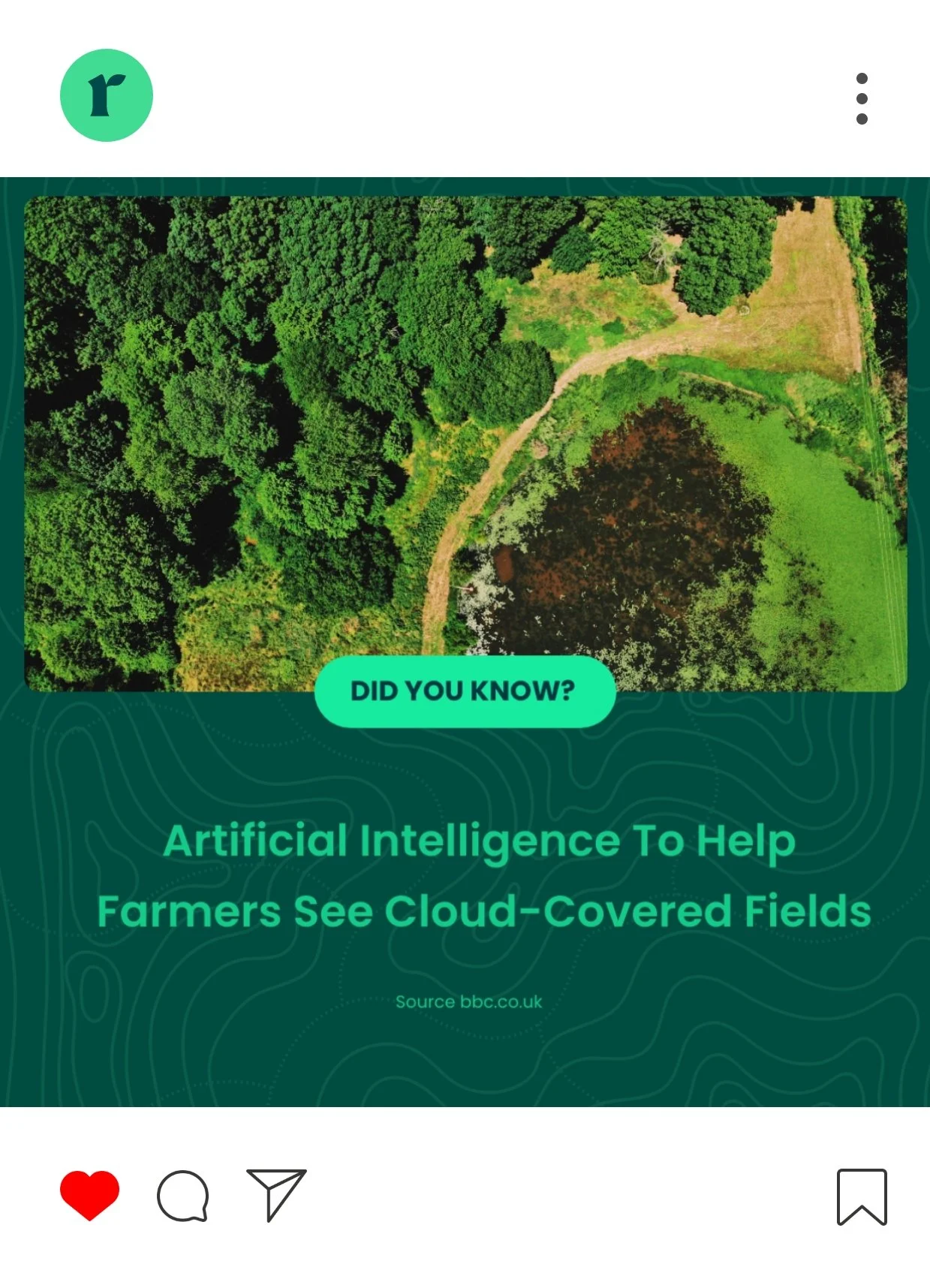
The lively palette and quirky yet geometric patterns evoke a sense of movement and dynamism, emphasising Reewild's core values of climate positivity, growth, collaboration and education. To wrap it up, this language is underpinned by a style guide that helps Reewild's marketing team maintain consistency across platforms.

Before Rebranding

After Rebranding

Reflections
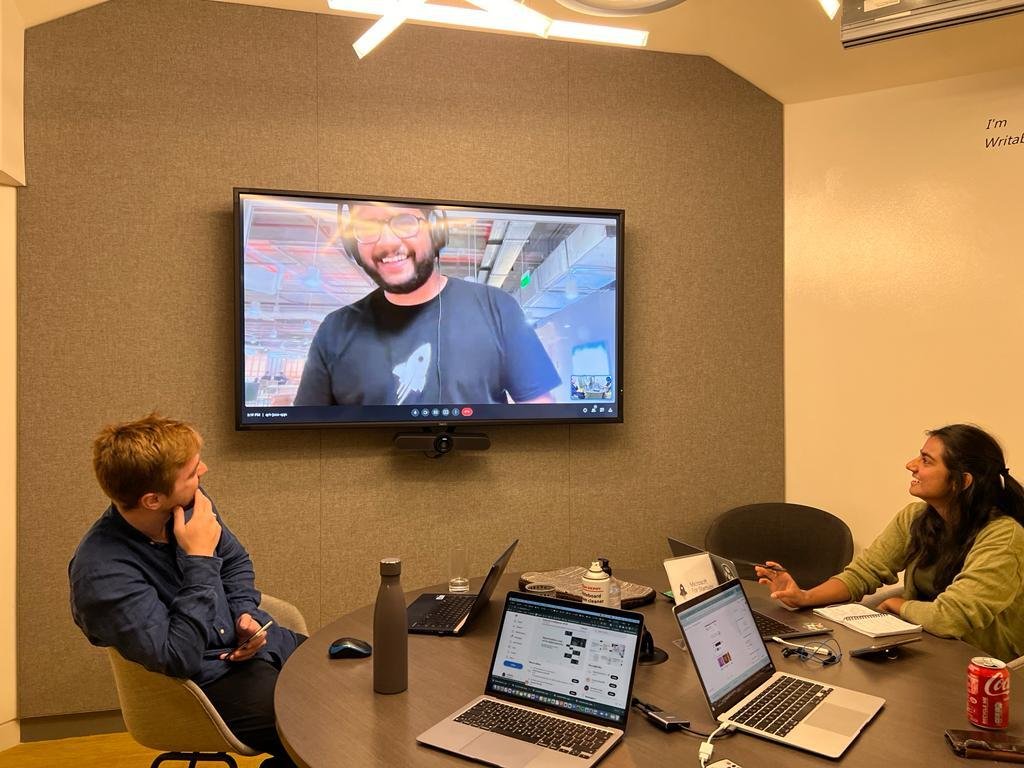
Collaborating with a three-person startup from London brought a refreshing change of pace to my design journey. Observing the project evolve from its initial web app concept to a fully operational ecosystem, complete with a well-defined brand identity and compelling message, has been highly fulfilling.
-
As a sole designer, I had the opportunity to navigate through various roles and responsibilities that allowed me to help contribute to the project's success. I learned the art of balancing customer satisfaction to align with business goals and occasionally having to make the tough call of parting ways with a couple of features.
-
The iterative nature of design echoed throughout the process. Designing engaging and intuitive interfaces for data-heavy content required creative ways to present data without sacrificing usability.
In essence, the Reewild project symbolises the intersection of climate awareness and intuitive design, a testament to how diverse expertise converges to make a meaningful impact.